If you have ever stepped into a traditional seaside taverna in Greece, you know that the secret to their world-class cuisine lies in the art of simplicity. The Maroulosalata is the crown jewel of this philosophy—a vibrant, emerald-hued masterpiece that defies the heavy, soggy expectations of a standard garden salad. This isn’t just a bowl of greens; it is a textural experience characterized by paper-thin ribbons of romaine and an aggressive amount of fresh, aromatic dill.
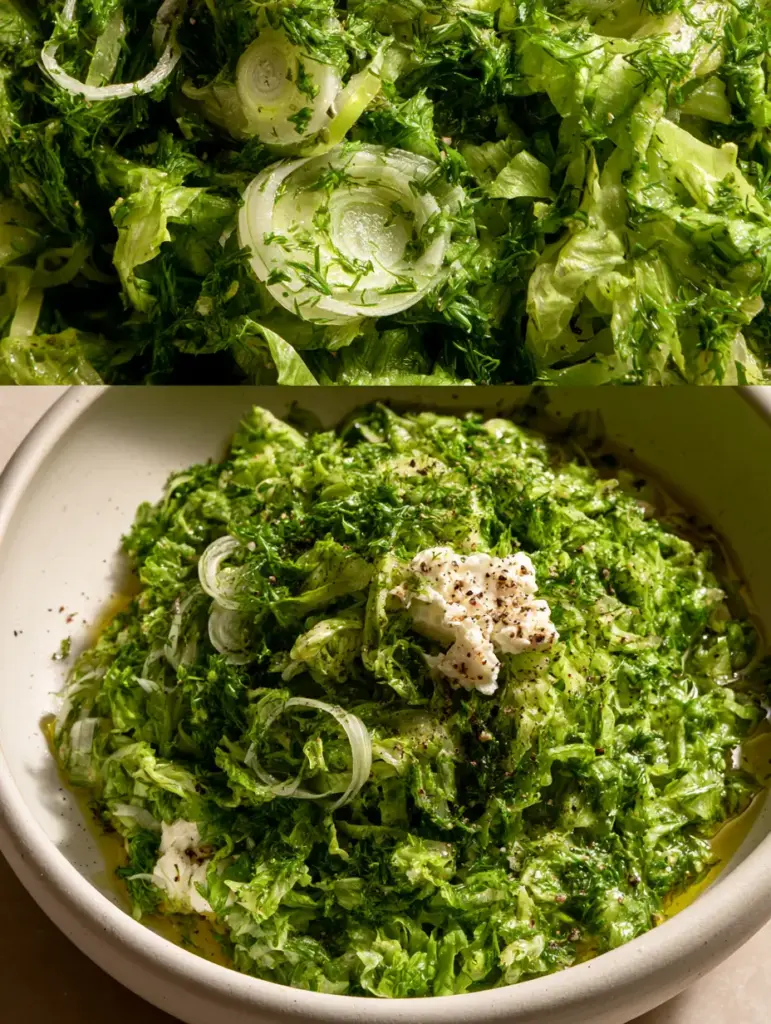
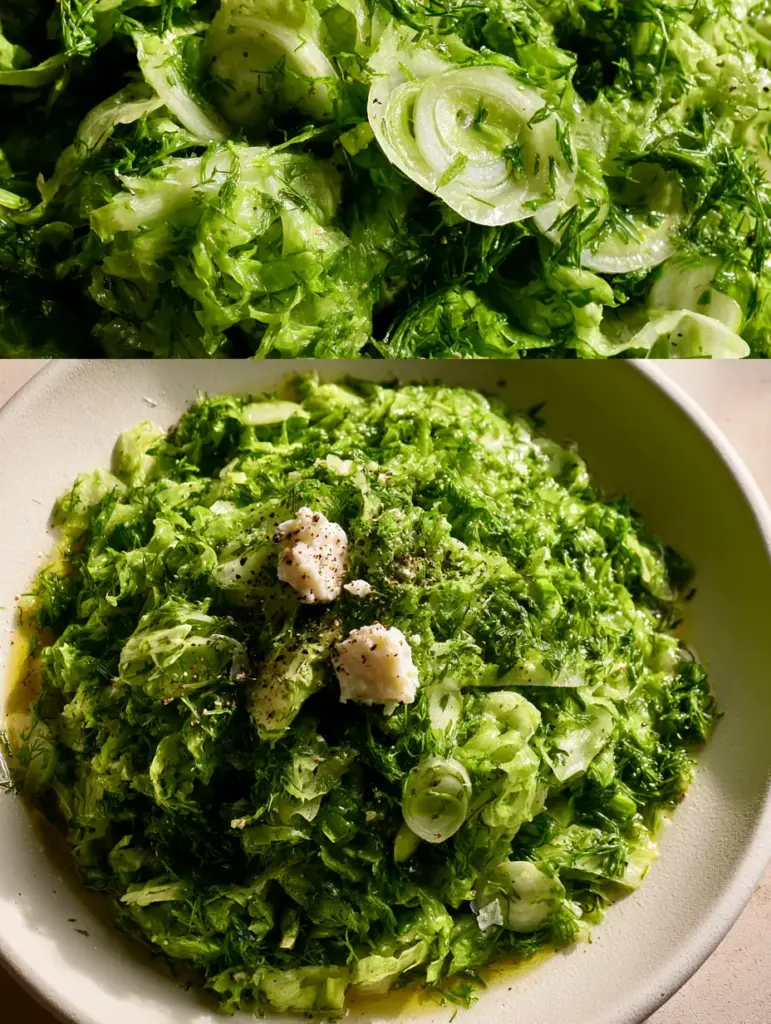
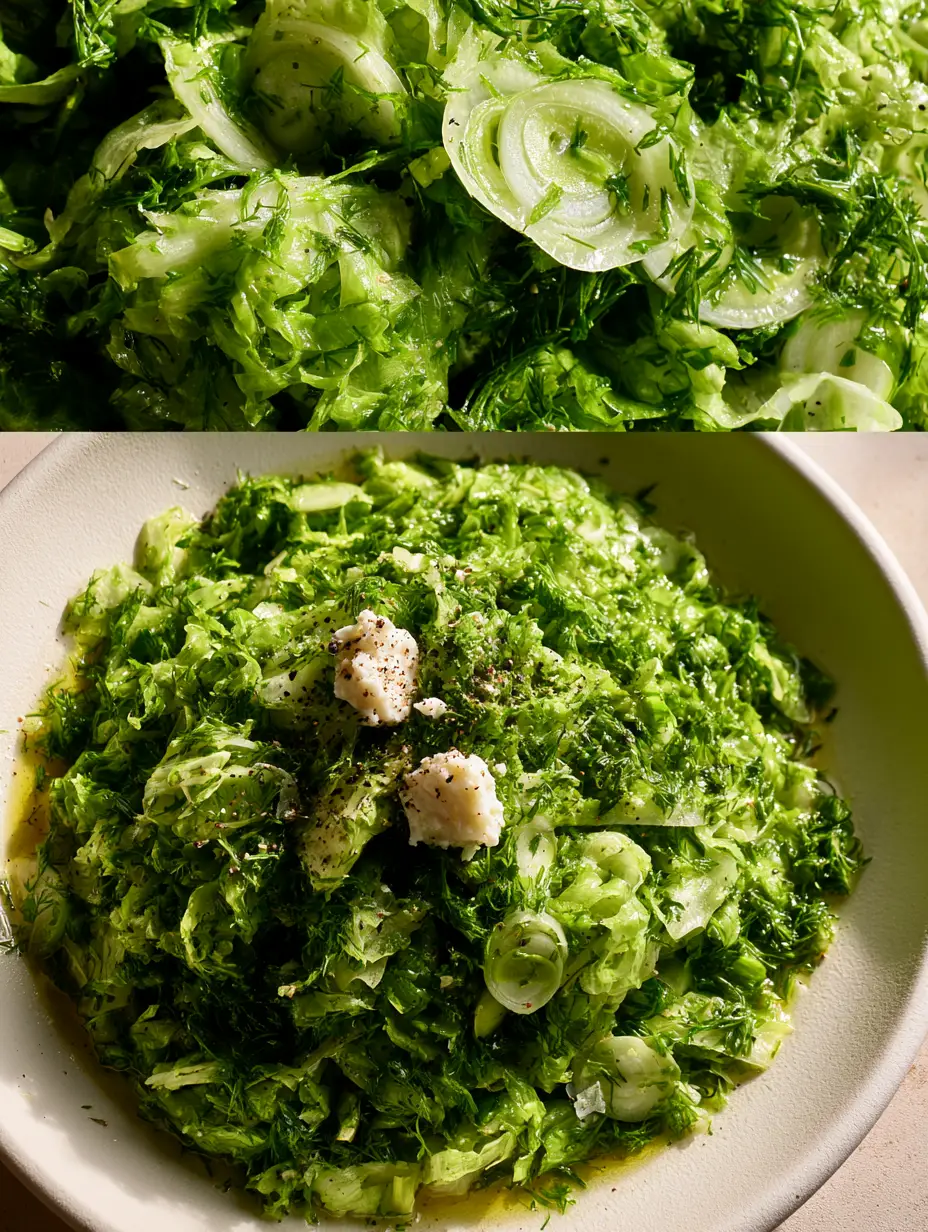
Our Maroulosalata recipe captures the exact visual essence of a Mediterranean morning, where the natural sunlight hits the glistening, golden olive oil and the neon-green herbs pop against a matte white ceramic bowl. This salad is designed to be piled high and fluffy, creating a voluminous mountain of freshness that serves as the perfect palate cleanser for a heavy meal or a stand-alone light lunch that feels incredibly indulgent. By following our professional technique for shredding and dressing, you will achieve that authentic food blogger aesthetic right in your own kitchen.
The Magnetic Appeal of Traditional Shredded Greek Greens
- Extreme Textural Contrast: The “paper-thin” shredding technique creates a soft, almost velvety mouthfeel that allows the dressing to coat every square millimeter of the greens.
- Neon Herbaceousness: Massive amounts of fresh dill provide a cooling, anise-like finish that cuts through the richness of the feta and olive oil.
- Visual Brilliance: The combination of translucent scallion rounds and deep emerald romaine creates a monochromatic green palette that looks stunning on any table.
- Aromatic Depth: Freshly cracked black pepper and sharp lemon juice droplets create a sensory “pop” with every bite.
The Anatomy of Authentic Maroulosalata Ingredients
To achieve the specific “fluffy” height seen in professional photography, you must select high-quality ingredients that can hold their structure even when sliced into delicate ribbons. Each component in this Maroulosalata serves a vital structural and flavor purpose.
Romaine Lettuce (Marouli): You will need 2 large heads (approx. 600g) of crisp romaine. This variety is essential because its sturdy ribs provide the structural integrity needed for paper-thin shredding without turning into mush.
Fresh Dill: Use 1 large bunch (approx. 40g), finely chopped. The dill shouldn’t just be a garnish; it should be integrated so heavily that it acts as a secondary “green” in the base of the salad.
Spring Onions (Scallions): 6 medium scallions (approx. 60g) provide a mild, sweet onion bite. Cutting these into translucent rounds ensures the flavor is distributed evenly rather than overpowering the delicate lettuce.
Extra Virgin Olive Oil: Use 1/3 cup (80ml) of the highest quality Greek olive oil you can find. This “liquid gold” creates the glistening sheen that characterizes a perfect Maroulosalata.
Fresh Lemon Juice: 3 tbsp (45ml) of freshly squeezed lemon juice provides the necessary acidity. Avoid bottled juice, as the “tiny droplets” visual depends on the low viscosity of fresh citrus.
Barrel-Aged Feta: 1/4 cup (40g) of crumbled white feta adds a creamy, salty finish. We use just enough to scatter on top, ensuring it doesn’t weigh down the fluffy greens.
Sea Salt & Cracked Black Pepper: 1/2 tsp (3g) of sea salt and a generous dusting of cracked black pepper (approx. 1g) are the foundational invisible ingredients that draw out the natural sweetness of the romaine.
Essential Tools for Precision Shredding
Achieving the visual recipe blueprint requires more than just a standard kitchen knife. To get those paper-thin emerald ribbons, you need tools that offer maximum control and sharpness.
A heavy, razor-sharp Chef’s Knife (20cm/8in) is your most important asset for the chiffonade technique. Alternatively, a mandoline slicer set to the thinnest setting can produce the “translucent” scallion rounds and lettuce ribbons with mechanical precision. Finally, a high-quality salad spinner is non-negotiable; even a tiny amount of residual water will prevent the olive oil from clinging to the leaves, resulting in a flat, soggy salad instead of the “piled high and fluffy” result we are targeting.
Mastering the Paper-Thin Shredding Technique
Preparing the Romaine Foundations
Start by removing any damaged outer leaves from your romaine heads. Cut the heads in half lengthwise and wash them thoroughly in ice-cold water. This cold bath shocks the cells, ensuring the lettuce stays turgid and crisp. Dry the halves completely in a salad spinner until no moisture remains on the surface.
The Art of the Chiffonade
Stack the dried romaine leaves and roll them tightly into a cigar shape. Using your sharpened chef’s knife, slice the roll into ribbons no wider than 2-3 millimeters. This extreme shredding is what differentiates a Maroulosalata from a standard tossed salad. Place these ribbons into a large mixing bowl, tossing them lightly with your fingers to separate the strands and create volume.
Integrating the Neon-Green Aromatics
Finely chop your dill, discarding only the thickest parts of the stems. Slice your scallions into paper-thin rounds, including both the white and the vibrant green parts. If you are preparing this for a large potluck recipe, keep the herbs and lettuce separate until the very last moment to maintain the “neon-green” vibrancy described in our visual prompt.
Creating the Golden Emulsion and Final Assembly
The “Glistening” Dressing Technique
In a small glass jar, whisk together the extra virgin olive oil and the fresh lemon juice with the sea salt. The goal isn’t a thick, opaque vinaigrette, but a light emulsion. When you pour this over the greens, it should create a golden coating that makes the lettuce look like it’s glowing in natural morning sunlight.
The Fluffing and Garnishing Process
Drizzle the dressing over the lettuce and herb mixture. Using two large salad spoons (or your hands for maximum control), toss the salad with a lifting motion. This incorporates air into the bowl, ensuring the salad is “piled high” in the serving dish. Once plated in a shallow, matte white ceramic bowl, scatter the crumbles of creamy barrel-aged feta and the flecks of cracked black pepper on top.
Secrets to Maintaining That Signature Salad Fluffiness
- The Centrifugal Rule: If your lettuce is even slightly damp, the oil will slide off and pool at the bottom of the bowl. Dry your greens twice.
- Salt Timing: Only salt the salad immediately before serving. Salt draws out moisture through osmosis; salting too early will cause the paper-thin ribbons to wilt and lose their “fluffy” height.
- Knife Sharpness: A dull knife bruises the lettuce cell walls, leading to rapid browning. Ensure your blade can slice through paper effortlessly before starting.
- Acid Balance: If your lemon juice is particularly tart, add a pinch of sugar to the dressing to balance the bitterness of the romaine hearts without changing the flavor profile.
Optimal Storage and Make-Ahead Advice
Because the Maroulosalata relies on such delicate cuts, it is best enjoyed within 30 minutes of dressing. However, you can prep the components in advance. Store the shredded romaine and chopped herbs in a container lined with a damp paper towel in the crisper drawer for up to 24 hours. Keep the dressing in a separate jar at room temperature. If you find yourself with leftovers—which is rare!—the texture will soften, becoming more like a broccoli slaw or a marinated cabbage salad.
What to Serve With This Vibrant Green Salad
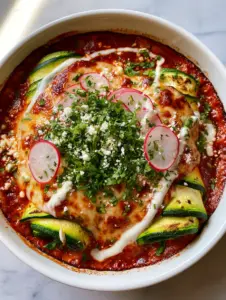
This salad is the ultimate companion to grilled proteins and Mediterranean favorites. It pairs beautifully with lemon-herb roasted chicken or grilled lamb chops. For a vegetarian feast, serve it alongside a zucchini corn tomato bake to provide a cool contrast to the warm, oven-roasted vegetables.
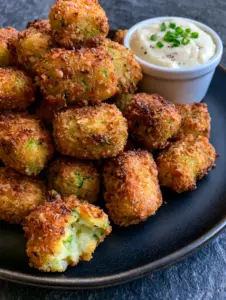
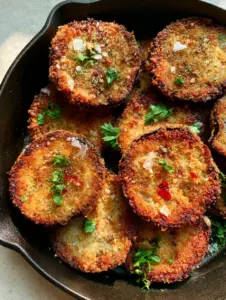
If you are looking for a lighter meal, the Maroulosalata acts as a sophisticated base for a loaded cowboy salad variation, where you can add chickpeas or grilled shrimp for extra protein. Its crispness also makes it a great follow-up to crunchy appetizers like cucumber chips or breaded zucchini.
Frequently Asked Questions About Maroulosalata
For an authentic Maroulosalata, fresh dill is required. The texture and ‘neon-green’ flavor profile come from the fresh herb; dried dill will not provide the same aromatic lift or visual appeal.
The key is to roll the romaine leaves tightly into a cigar shape (chiffonade technique) and use a very sharp chef’s knife or a mandoline on the finest setting.
The base salad and dressing are vegan. To make the entire dish vegan, simply omit the feta cheese or replace it with a plant-based almond-based feta alternative.
Horiatiki is the famous ‘Village Salad’ made with chunks of tomato, cucumber, and onions without lettuce. Maroulosalata is a lettuce-based salad specifically focused on finely shredded romaine and high volumes of dill.
Sogginess usually comes from either wet lettuce or salting the salad too early. Ensure you use a salad spinner and only add the dressing and salt right before you eat.
The Authentic Maroulosalata (Greek Romaine Salad)
Maroulosalata: The Ultimate Shredded Greek Romaine Salad Recipe
Ingredients
Equipment
Method
- Wash romaine leaves in ice-cold water. Spin them in a salad spinner until completely dry; any moisture will prevent the dressing from adhering.
- Stack and roll the leaves, then slice into paper-thin ribbons (2-3mm wide) using a sharp chef's knife. Place in a large bowl and fluff with fingers.
- Finely chop the dill and thinly slice the scallions into translucent rounds. Toss them into the bowl with the shredded romaine ribbons.
- Whisk the olive oil, lemon juice, and sea salt until slightly emulsified. Drizzle over the greens.
- Toss the salad using a lifting motion to maintain fluffiness. Transfer to a white ceramic bowl, ensuring it is piled high.
- Scatter the crumbled feta and cracked black pepper over the top so they glisten in the light.
Notes
Salt the salad only at the moment of serving to maintain the crisp ribbon texture.
Bring the Flavors of Greece to Your Table
The Maroulosalata is a testament to the fact that minimal ingredients can yield extraordinary results when handled with professional technique. By focusing on the paper-thin shredding and the heavy use of dill, you transform basic romaine into a culinary highlight. We would love to see your emerald creations! Share your photos and tag us, or follow our journey for more authentic Mediterranean inspiration on Pinterest. Don’t forget to leave a comment below with your favorite way to serve this refreshing classic!