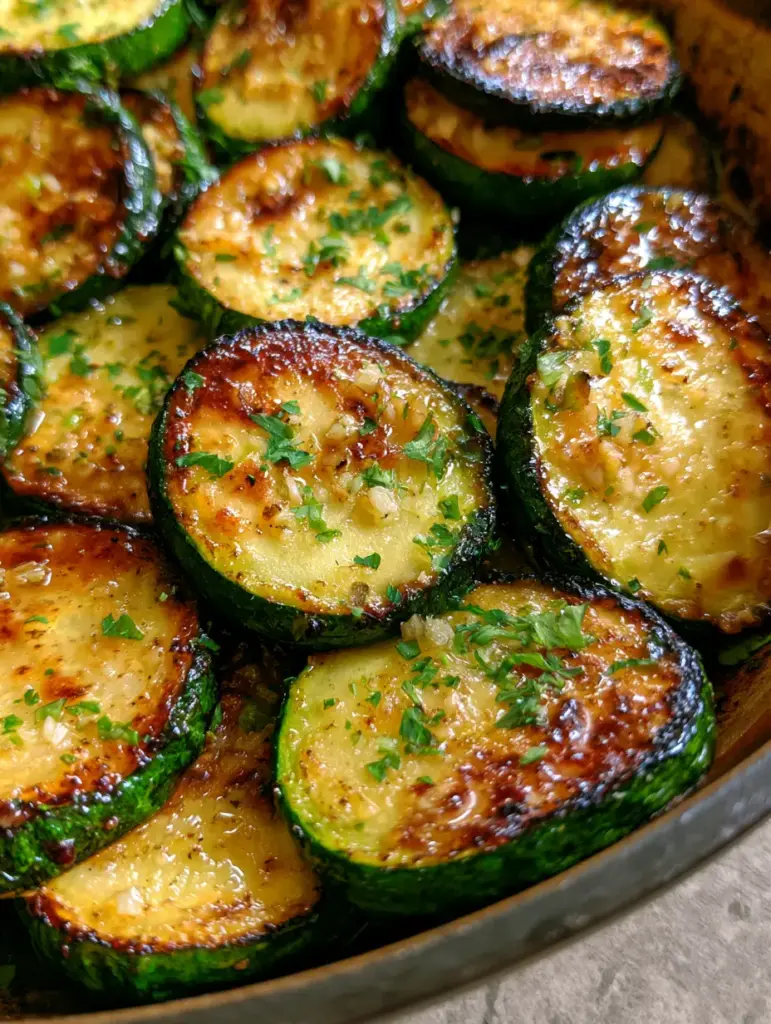
Mastering the art of Courgettes poêlées is a foundational skill for any home cook looking to transform humble summer squash into a gourmet side dish. When executed correctly, these pan-seared zucchini rounds feature a vibrant green skin and a deeply caramelized, golden-brown crust that creates a sophisticated flavor profile.
The secret lies in the Maillard reaction, where high heat meets the natural sugars of the vegetable to create those signature charred edges. This method ensures your zucchini remains firm and crisp rather than falling into a watery, mushy heap that often plagues lesser preparations.
In this guide, we will explore the precise culinary science required to achieve a glistening sheen of extra virgin olive oil and the aromatic punch of sautéed garlic. Whether you are preparing a quick weeknight dinner or looking for a elegant addition to a potluck-recipe, this technique never fails to impress.
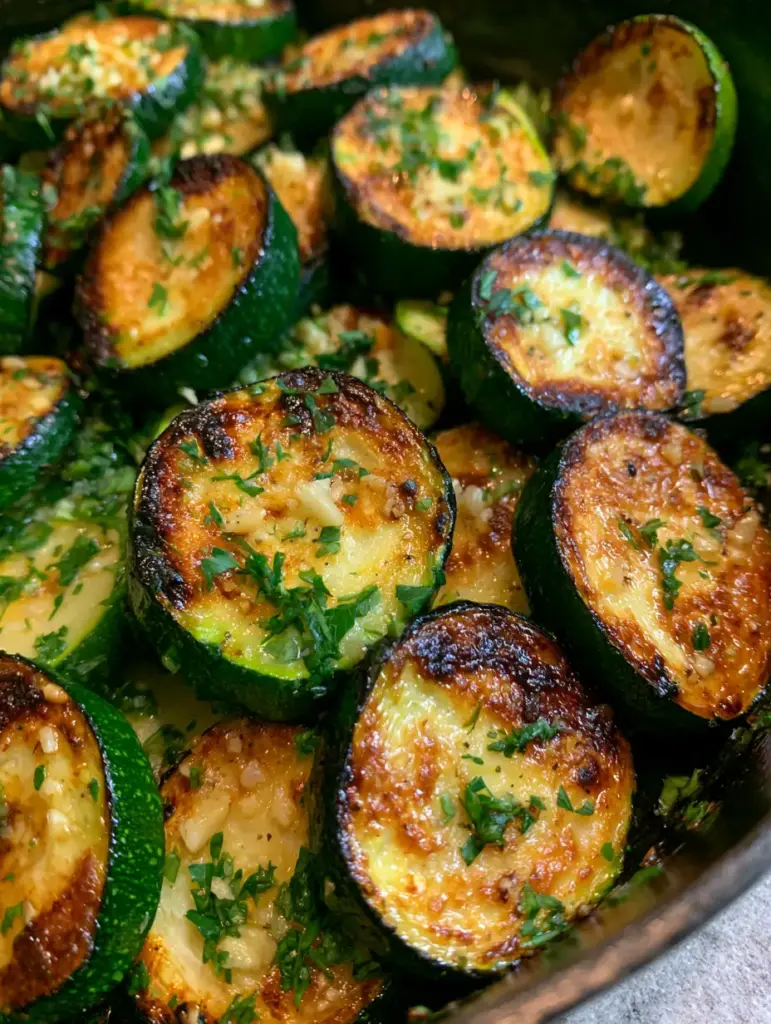
The Culinary Blueprint for Glistening, Golden-Brown Zucchini
- Textural Integrity: By using high-heat searing, we lock in the moisture while creating a firm, “snap-like” bite that is essential for authentic Courgettes poêlées.
- Visual Contrast: The bright green of the fresh flat-leaf parsley pops against the rustic, charred surfaces of the zucchini rounds.
- Aromatic Depth: Sautéed minced garlic bits provide a toasted, savory crunch that complements the mild sweetness of the seared squash.
- Professional Finish: A final sprinkle of sea salt flakes and cracked black pepper adds both visual texture and a targeted flavor explosion.
Essential Components for Exceptional Courgettes poêlées
Fresh Zucchini (Courgettes): Choose medium-sized zucchini about 7-8 inches (18-20cm) in length for the best seed-to-flesh ratio. Smaller zucchini have fewer seeds and less water, which is vital for achieving that golden-brown char without steaming the vegetable.
Extra Virgin Olive Oil: You will need 2 tbsp (30ml) of high-quality EVOO to provide the glistening sheen and healthy fats required for searing. The oil acts as the heat transfer medium that ensures even browning across the flat surface of each round.
Fresh Garlic: Use 3 cloves (approx. 15g) of fresh garlic, finely minced rather than pressed. Mincing creates distinct “bits” that toast in the oil, as seen in the visual blueprint, providing a nutty flavor and pleasant texture.
Flat-Leaf Parsley: A handful (approx. 10g) of freshly chopped Italian parsley adds a necessary herbaceous brightness. Unlike curly parsley, flat-leaf variety holds its color and flavor better when hitting the warm surface of the pan.
Sea Salt Flakes and Cracked Black Pepper: These are your finishing “jewelry” that provide the final seasoning layer. Sea salt flakes (like Maldon) offer a delicate crunch that regular table salt cannot replicate in this specific Courgettes poêlées preparation.
Precision Tools for Professional Searing Results
To achieve the results seen in our macro photography, a 12-inch (30cm) rustic cast iron skillet is the gold standard. Cast iron retains heat better than stainless steel or non-stick surfaces, allowing for a rapid sear that browns the exterior before the interior becomes overcooked.
You will also need a sharp chef’s knife to ensure uniform 1/2-inch (1.25cm) slices. Uniformity is not just for aesthetics; it ensures every slice of your Courgettes poêlées reaches the same level of caramelization at the exact same time.
Lastly, a wide metal spatula or kitchen tongs are necessary for flipping the rounds. Using the right tool prevents the delicate charred crust from being scraped off during the cooking process.
Step-by-Step: Mastering the Pan-Sear Technique
Preparation and Moisture Control
Begin by washing and thoroughly drying your zucchini. This is a critical step; any residual water on the skin will turn to steam in the pan, preventing the Maillard reaction from occurring.
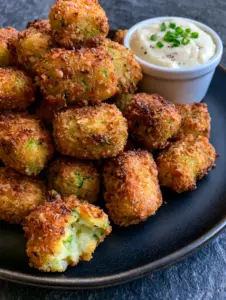
Slice the zucchini into rounds exactly 1/2 inch (1.25cm) thick. If you enjoy this texture, you might also be interested in trying breaded-zucchini for a different take on this versatile vegetable.
Achieving the Perfect High-Heat Sear
Place your cast iron skillet over medium-high heat and add the extra virgin olive oil. Wait until the oil is shimmering and just beginning to show a faint wisp of smoke—this is your sensory cue that the pan is ready.
Arrange the zucchini rounds in a single layer, ensuring they do not overlap. Listen for a loud, aggressive sizzle; if you don’t hear it, the pan isn’t hot enough. Sear undisturbed for 3-4 minutes until the bottom edges are visibly golden-brown and charred.
Infusing Aromatics and Finishing
Flip each round carefully. Immediately scatter the minced garlic bits into the small spaces between the zucchini slices. This allows the garlic to sauté in the residual oil without burning under the direct weight of the vegetables.
Cook for another 2-3 minutes. During the final 30 seconds, toss in the chopped flat-leaf parsley. The heat will release the parsley’s volatile oils, coating the Courgettes poêlées in a fragrant, green essence.
The Final Seasoning Layer
Remove the skillet from the heat. While the zucchini is still glistening with oil, sprinkle a generous pinch of sea salt flakes and freshly cracked black pepper from a height of 10 inches to ensure even distribution.
Expert Tips for Firm, Never-Soggy Slices
- Don’t Crowd the Pan: If you put too many slices in at once, the temperature of the skillet drops and the zucchini releases water, causing them to boil rather than sear. Work in batches if necessary.
- Salt at the End: Salting zucchini too early draws out moisture. For the crispest Courgettes poêlées, only apply salt once the searing process is nearly complete.
- The “Dry Brine” Option: If you have time, salt the raw slices for 10 minutes, then pat them completely dry with paper towels before searing to remove excess internal water.
- Oil Temperature: If the oil doesn’t “shimmer,” your zucchini will absorb the fat and become greasy rather than gaining a crisp exterior.
Complementary Pairings and Serving Ideas
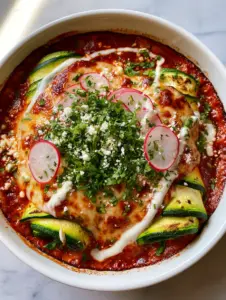
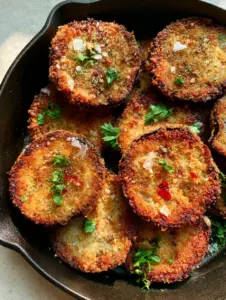
Courgettes poêlées are incredibly versatile. They serve as a light, refreshing counterpoint to heavier starch dishes like slow-cooker-potatoes or a rich, creamy zucchini-corn-tomato-bake.
For a complete Mediterranean-inspired meal, serve these seared rounds alongside grilled sea bass or lemon-herb roasted chicken. The garlic and parsley notes also make them an excellent topping for a rustic sourdough tartine or a addition to a cold kidney-bean-salad for lunch the next day.
Smart Storage and Reheating Advice
While Courgettes poêlées are best enjoyed immediately to appreciate the contrast between the charred exterior and tender interior, leftovers can be stored. Place them in an airtight container in the refrigerator for up to 3 days.
To reheat, avoid the microwave, as it will make the zucchini rubbery. Instead, flash-fry them in a hot, dry skillet for 1-2 minutes per side to regain some of the original texture. Freezing is not recommended for this recipe, as the cellular structure of the zucchini will collapse upon thawing.
Frequently Asked Questions
While possible, a non-stick pan won’t achieve the same level of deep caramelization or ‘charred edges’ as a cast iron or stainless steel skillet due to lower heat retention.
Fresh flat-leaf parsley is highly recommended for its bright color and oils. Dried parsley lacks the visual pop and aromatic depth seen in the professional Courgettes poêlées preparation.
The key is high heat and avoiding overcrowding the pan. Also, ensure the zucchini is completely dry before cooking and salt it only at the very end to prevent moisture release.
No, the skin provides essential structural integrity and a beautiful color contrast. Searing the skin also adds a pleasant texture to the final dish.
A thickness of 1/2 inch (1.25cm) is ideal. It allows enough time for the outside to brown deeply while the inside remains firm and ‘al dente’.
The Definitive Courgettes poêlées Recipe
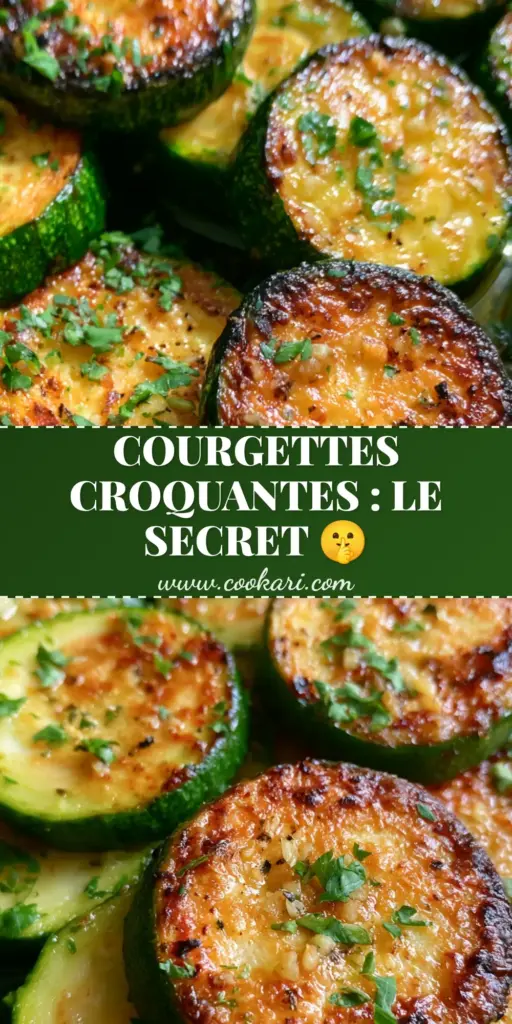
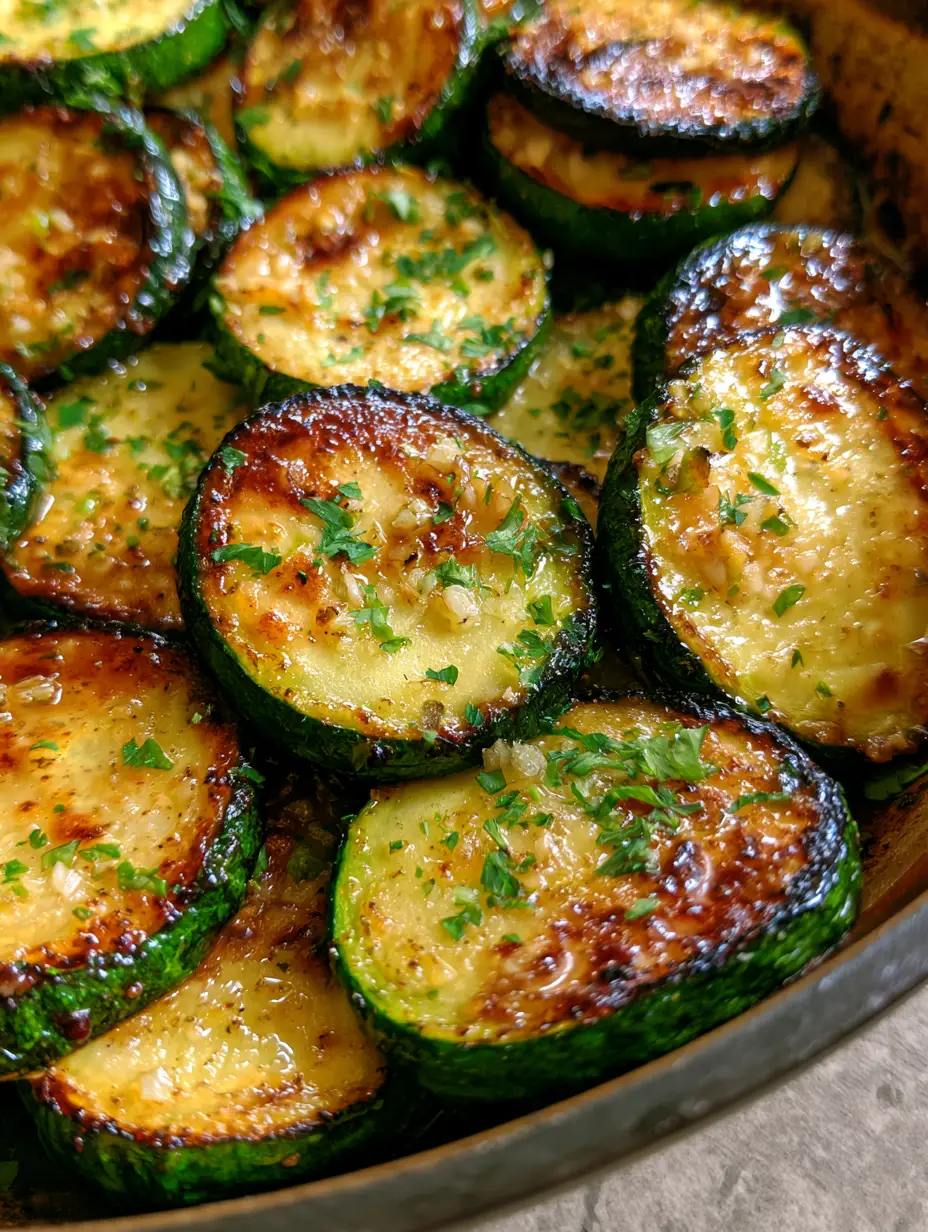
Courgettes poêlées: The Ultimate Guide to Perfect Pan-Seared Zucchini
Ingredients
Equipment
Method
- Wash and dry the zucchini thoroughly. Slice into uniform 1/2-inch (1.25cm) rounds.
- Heat the extra virgin olive oil in a cast iron skillet over medium-high heat until shimmering.
- Place zucchini in a single layer. Sear for 3-4 minutes without moving until a deep golden-brown crust forms on the bottom.
- Flip the rounds. Add minced garlic to the spaces in the pan. Cook for 2 more minutes.
- Toss in chopped parsley during the last 30 seconds. Remove from heat and season with sea salt flakes and cracked pepper.
Notes
Use a high-quality sea salt like Maldon for the best textural finish.
Bring the Flavors of France to Your Table
This Courgettes poêlées recipe is more than just a side dish; it is a masterclass in heat management and flavor balancing. By following these professional techniques, you can transform a simple vegetable into a centerpiece-worthy accompaniment that your guests will rave about.
If you enjoyed this recipe, please leave a comment below and let us know how your sear turned out! Don’t forget to save this to your favorite boards on Pinterest so you can find it whenever zucchini is in season.